

The Strategic Compass: From Hunting New Customers to Farming Your Existing Ones
In the high-stakes world of startups, customer acquisition is the drug of choice. We celebrate every new logo, we obsess over lead generation, and we pour the vast majority of our resources into the hunt for new customers. This relentless focus on acquisition creates a powerful illusion of growth. But for many businesses, it is a leaky bucket. They are pouring new customers into the top, while existing customers are quietly slipping out the bottom.
The core challenge is a fundamental misunderstanding of the economics of growth. We have been taught that growth is synonymous with acquisition. But the data tells a very different story. It is five to twenty-five times more expensive to acquire a new customer than it is to retain an existing one. A mere 5% increase in customer retention can increase profitability by 25% to 95%. The most successful businesses are not the ones that are the best at acquiring customers; they are the ones that are the best at keeping them.
This article is a founder's guide to shifting your focus from the expensive and exhausting hunt for new customers to the profitable and sustainable farming of your existing ones. It is a strategic framework for mastering the art and science of customer retention and maximizing the lifetime value of every customer you serve.
The Tyranny of the New: Why We Neglect Our Most Valuable Asset
The obsession with customer acquisition is deeply ingrained in the culture of startups. New customers are visible, exciting, and easy to count. They are the vanity metric that we can flash in front of our investors and our board. Retention, on the other hand, is a quiet and often invisible force. It is the slow, patient work of building relationships, delivering value, and earning trust. It is less glamorous, but it is infinitely more profitable.
To build a truly sustainable business, you must break free from the tyranny of the new and recognize that your existing customers are your most valuable asset.
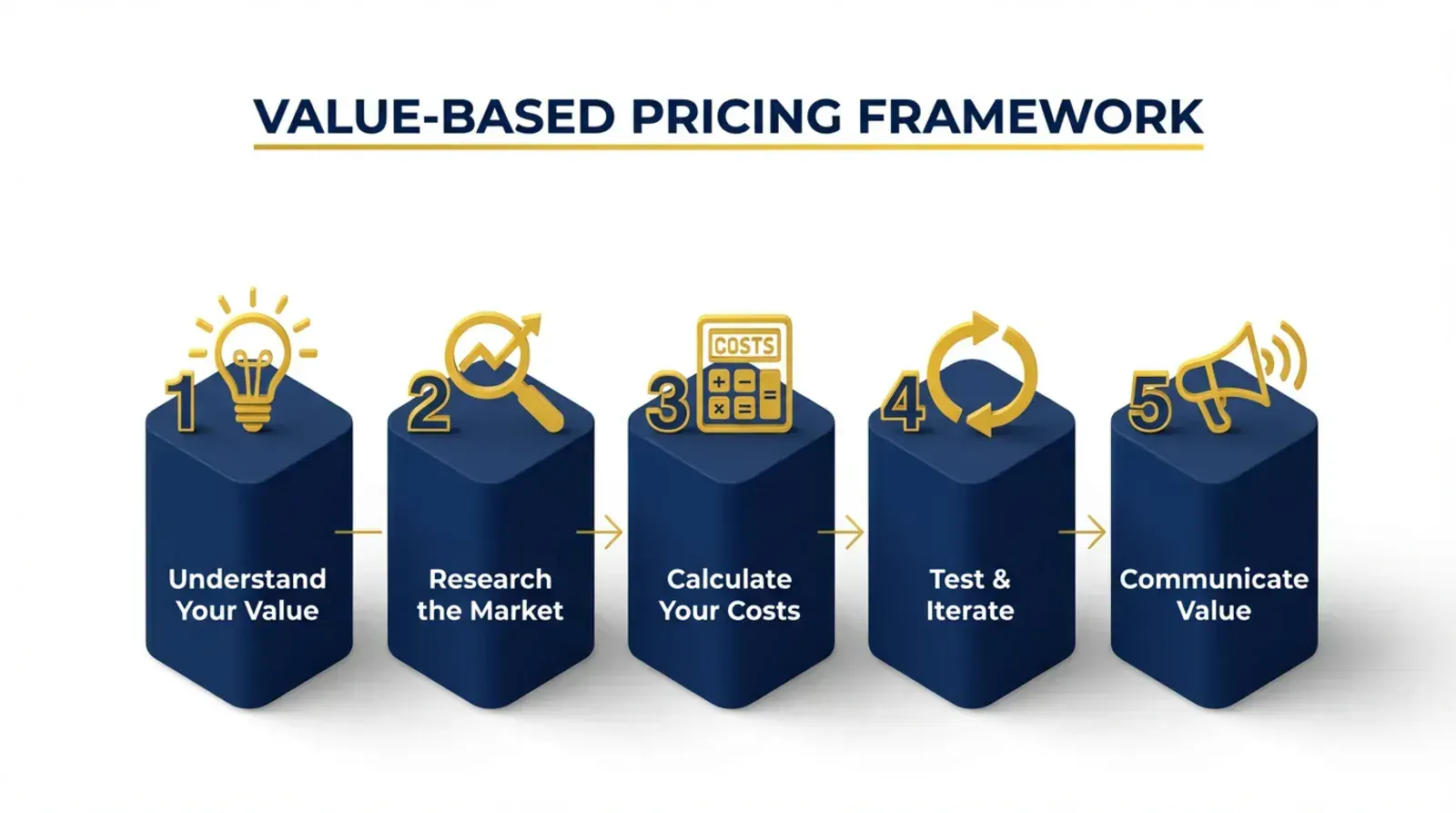
The Customer Retention Framework: A 4-Step System for Building a Loyal Customer Base
This framework is a disciplined process for turning your customers from one-time buyers into lifelong advocates.
| Step | Strategic Question | The Goal |
|---|---|---|
| 1. Measure What Matters | What are your retention and churn rates, and what is the lifetime value of your customers? | To create a clear, data-driven picture of your retention performance. |
| 2. Understand Why They Leave | What are the root causes of customer churn in your business? | To identify the leaks in your bucket so you can plug them. |
| 3. Build a Proactive Retention Strategy | How can you systematically deliver value and build relationships with your customers? | To move from a reactive, fire-fighting approach to a proactive, value-creation approach. |
| 4. Create a Culture of Customer Love | Is every person in your company obsessed with creating a great customer experience? | To make customer retention a company-wide priority, not just a departmental one. |
1. Measure What Matters: The Data-Driven Foundation of Retention
You cannot improve what you do not measure. The first step in building a retention-focused business is to get a clear, data-driven picture of your performance. You must be religious about tracking your key retention metrics:
- Customer Churn Rate: The percentage of customers who leave your service in a given period.
- Customer Retention Rate: The percentage of customers who remain with your service in a given period.
- Customer Lifetime Value (LTV): The total profit you can expect to generate from a single customer over their entire relationship with you.
2. Understand Why They Leave: The Autopsy of a Lost Customer
Every customer who leaves is a painful but priceless learning opportunity. You must have a systematic process for understanding why your customers are churning. Is it a product issue? A pricing issue? A customer service issue? A competitive issue? Conduct exit surveys, interview churned customers, and analyze your usage data to identify the root causes of churn. This is the only way to identify the leaks in your bucket and develop a plan to plug them.
3. Build a Proactive Retention Strategy: From Fire-Fighting to Value Creation
Most companies have a reactive approach to retention. They wait until a customer is angry or has threatened to cancel, and then they scramble to save the account. This is a losing game. A world-class retention strategy is proactive. It is about systematically delivering value, building relationships, and creating moments of delight for your customers. This includes:
- A Flawless Onboarding Experience: The first 90 days of a customer's life are the most critical. A great onboarding experience can dramatically improve long-term retention.
- Proactive Customer Success: Don't wait for your customers to have a problem. Reach out to them, share best practices, and help them get the most value out of your product.
- A Thriving Community: A strong community can create a powerful sense of belonging and make your product stickier.
4. Create a Culture of Customer Love: Retention is Everyone's Job
Customer retention is not the sole responsibility of the customer success team. It is the responsibility of every single person in your company. Your product team must build a product that is reliable and easy to use. Your marketing team must set accurate expectations. Your sales team must sell to the right customers. A culture of customer love is one where every employee is obsessed with creating a great customer experience.
The Strategic Perspective: The Compounding Magic of Negative Churn
For SaaS businesses, the holy grail of retention is "negative churn." This is the state where the expansion revenue from your existing customers (through upgrades, cross-sells, and up-sells) is greater than the revenue you lose from churned customers. A business with negative churn has a powerful, self-sustaining growth engine. It is a business that can grow even if it doesn't acquire a single new customer.
The Infinite Game: Your Customers as Your Greatest Asset
In the infinite game of business, your customers are not just a source of revenue; they are your greatest asset. They are your most powerful marketing channel, your most valuable source of product feedback, and your most enduring competitive advantage. The founders who understand this are the ones who will build businesses that not only survive but thrive for decades to come.
It is time to end the obsession with the leaky bucket of customer acquisition. It is time to embrace the profound and profitable discipline of customer retention. It is time to start farming, not just hunting.